Governor Gretchen Whitmer is delivering her final State of the State address Wednesday.
She’s expected to lay out her priorities for her last year in office, including a renewed focus on education funding and literacy and supporting the construction of affordable housing.
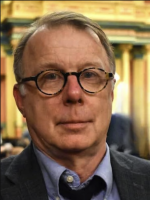
WKAR's Sophia Saliby spoke with statewide political correspondent for the Michigan Public Radio Network Rick Pluta to break down what else she might include in the speech.
Interview Highlights
On what Whitmer's speech might include
I expect that we'll get a brief tour of her administration's successes over the past seven years, since this will be her final State of the State address. Like you said, affordable housing, education funding, no doubt she'll have to bring up road funding. She can talk about a bipartisan deal on that, even though some of it is in question because the new marijuana tax is in court. She says improving student reading scores is a top priority, so I think we can expect something on that. And we know she will call for an affordable housing tax credit to encourage more home construction.
On the tone she might strike at her final State of the State
This is going to be the first "last" of her final year in office, delivered in the House chamber where she started her political career a little more than 20 years ago. The moment may carry some poignance. I wouldn't be surprised if she makes a joke about speculation on her future plans. Humor is kind of how she rolls. She knows people will be listening for that, what's next, but I suspect she will be cautious about doing anything that would be deemed opportunistic or inappropriate to the moment
On addressing bipartisanship
Every governor in the state of the state talks about finding opportunities for bipartisanship. It's a regular thing. My guess is, rather than going the condemnation route, is she'll approach it from a more positive, let's get things done together angle, as opposed to making indictments from the rostrum.
Interview Transcript
Sophia Saliby: Governor Gretchen Whitmer is delivering her final State of the State address tonight.
She’s expected to lay out her priorities for her last year in office, including a renewed focus on education funding and literacy and supporting the construction of affordable housing.
Statewide political correspondent for the Michigan Public Radio Network Rick Pluta joins us now to break down what the address could include. Thanks for being here.
Rick Pluta: Oh, thanks for asking me, Sophia.
Saliby: So, what do we know about what Whitmer is expected to talk about?
Pluta: Well, I mean, I don't know how much we know per se, but I expect that we'll get a brief tour of her administration's successes over the past seven years, since this will be her final State of the State address.
Like you said, affordable housing, education funding, no doubt she'll have to bring up road funding. She can talk about a bipartisan deal on that, even though some of it is in question because the new marijuana tax is in court.
She says improving student reading scores is a top priority, so I think we can expect something on that. And we know she will call for an affordable housing tax credit to encourage more home construction.
Saliby: So, this will feel like a victory lap, almost, you think?
Pluta: Yeah, I mean, it's her last one. So, I think that we can, you know, expect kind of a greatest hits.
Saliby: Is Whitmer the kind of political leader that likes to include surprises in these types of speeches? Like, can we expect something that none of us have heard before?
Pluta: So, Sophia, I think one big question is how the Democratic governor might react to President Trump's State of the Union address. She's been critical of his tariff plans, obviously, but she's also shown a willingness in the past to work with a president who leans into controversy. Will she feel the need to respond to President Trump's State of the Union?
Also, Whitmer is now a national figure. She's talked about as a possible presidential candidate. Will we see some messages in her speech maybe aimed at a national audience?
Saliby: Like you mentioned, this is one of her last big statewide speeches. Do you think there will be more of a hint in her speech about what she is going to do next?
Pluta: Yeah, I mean, this is going to be the first "last" of her final year in office, delivered in the House chamber where she started her political career a little more than 20 years ago. The moment may carry some poignance.
I wouldn't be surprised if she makes a joke about speculation on her future plans. Humor is kind of how she rolls. She knows people will be listening for that, what's next, but I suspect she will be cautious about doing anything that would be deemed opportunistic or inappropriate to the moment.
Saliby: Last year, the House and Senate ended up in a stalemate over the budget that led to a very brief, hours-long shutdown after months of back and forth. Republican House Speaker Matt Hall has mentioned not being afraid of going there again this year. Do you think Whitmer will address that lack of bipartisanship from either party?
Pluta: Every governor in the State of the State talks about finding opportunities for bipartisanship. It's a regular thing.
My guess is, rather than going the condemnation route, is she'll approach it from a more positive, let's get things done together angle, as opposed to making indictments from the rostrum.
Saliby: Rick Pluta is a statewide political correspondent for the Michigan Public Radio Network. Thank you for joining us.
Pluta: Thanks, Sophia.
This conversation has been edited for clarity and conciseness.